

Your Great Ocean Road Guide
Explore the Great Ocean Road from Peterborough House
Discover the spectacular coastline, historic landmarks, rainforest and wildlife that make the Great Ocean Road one of Australia's great touring routes. From the famous 12 Apostles and Shipwreck Coast to the Otways, Bells Beach and Tower Hill Wildlife Reserve, Peterborough House is a convenient base for exploring this remarkable part of Victoria.
Whether you're planning a Great Ocean Road road trip or staying a few days to explore at a slower pace, use our guide to discover some of our favourite places along the way.
Wye River
Otway Fly Treetop Adventures
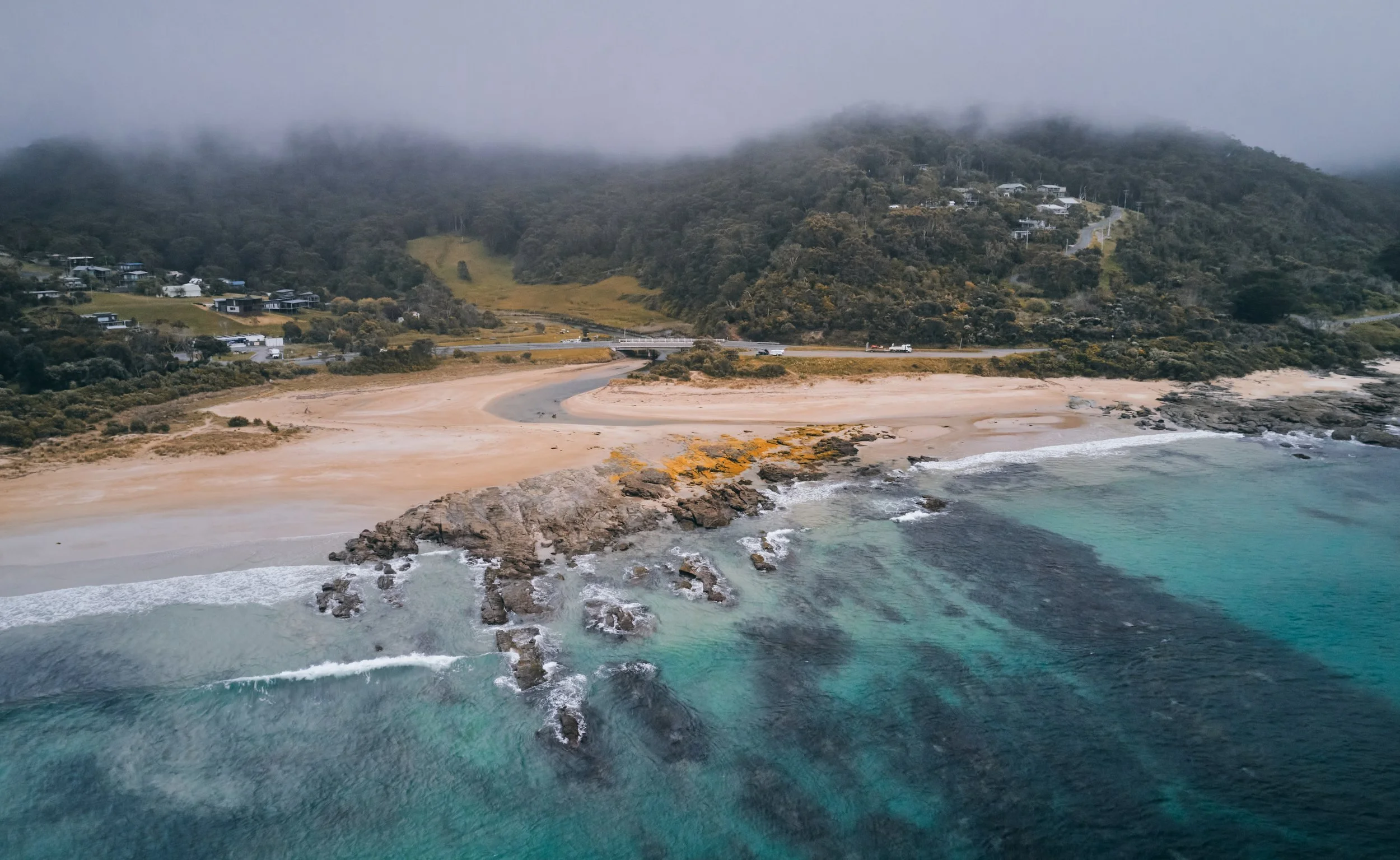
Wye River is a picturesque coastal village nestled between the Great Otway National Park and the Southern Ocean, approximately 1 hour from Peterborough House. Known for its beautiful beach, relaxed atmosphere and stunning ocean views, Wye River is a popular stop along the Great Ocean Road. Visitors can enjoy swimming, surfing, fishing, bushwalking and spotting native wildlife, including koalas often seen in the surrounding eucalyptus trees, making it an ideal destination for a scenic day trip.
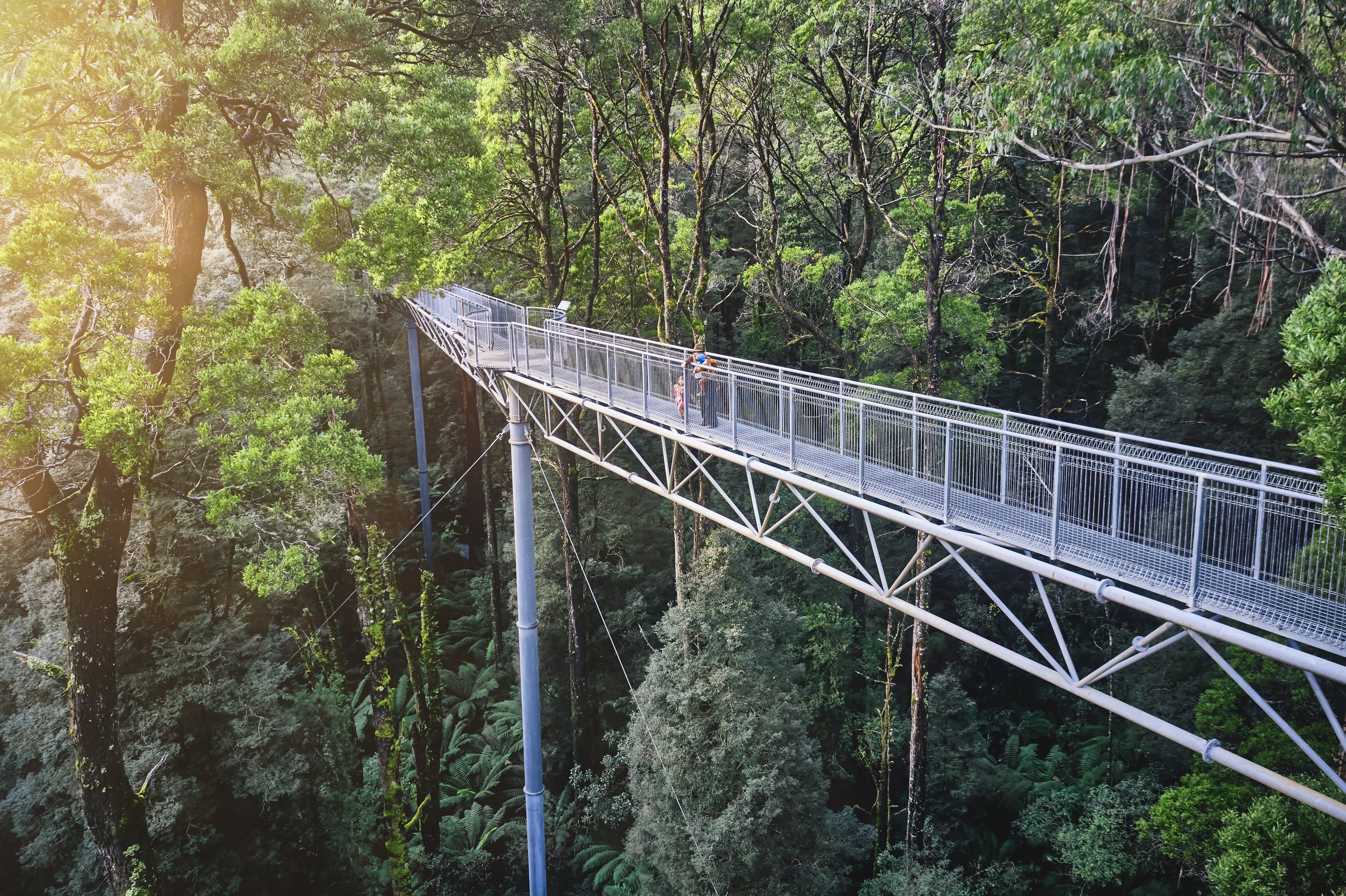
The Otway Fly Treetop Adventures is one of the Great Ocean Road region's premier nature attractions, located approximately 1 hour from Peterborough House. Wander through the spectacular treetop walk suspended high above the rainforest, or experience an exhilarating zipline tour through the towering mountain ash forest. Surrounded by ancient ferns, giant eucalypts and abundant native wildlife, the Otway Fly offers a unique perspective of the beautiful Great Otway National Park and makes for an unforgettable day trip.
Bells Beach
Cape Otway Lightstation
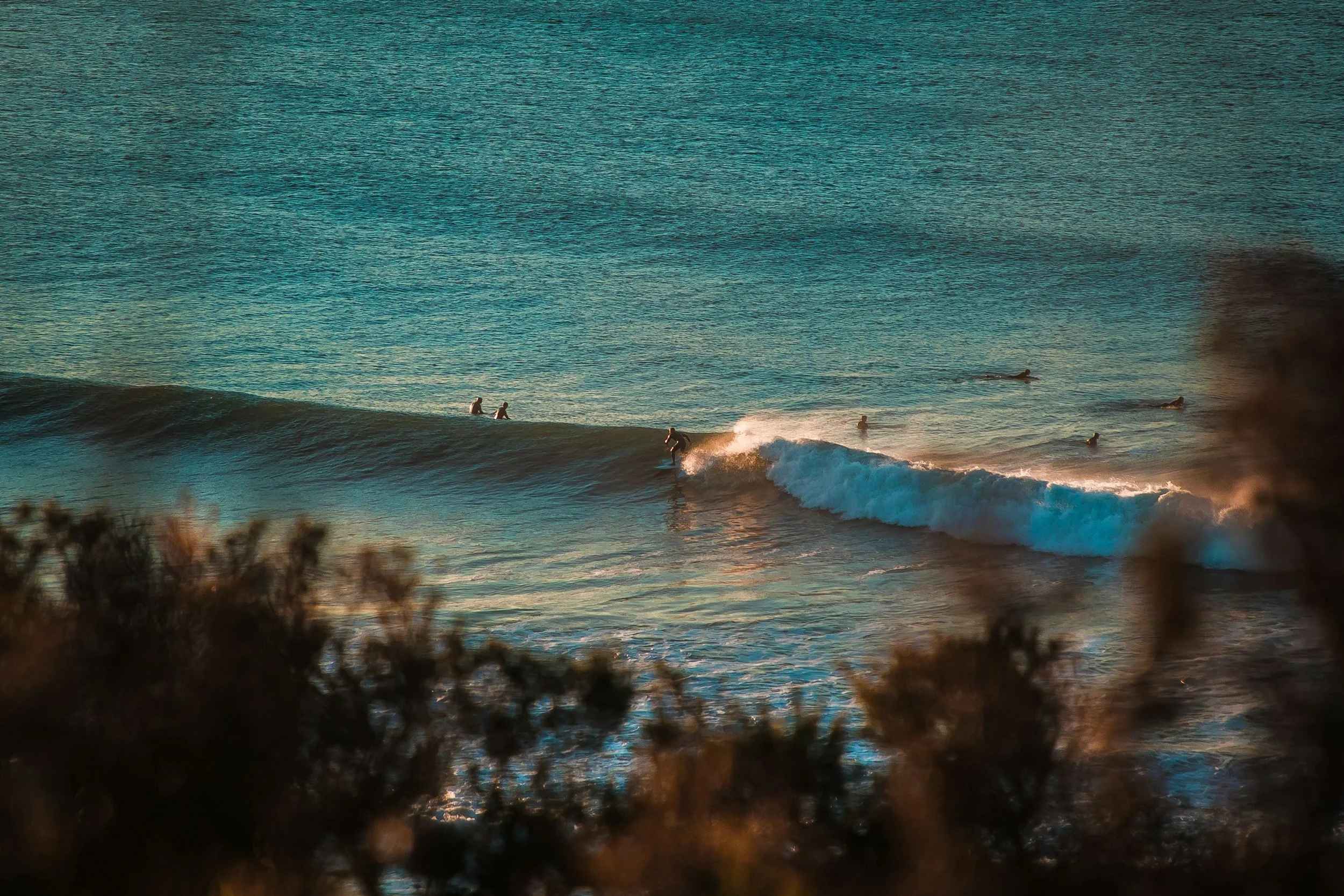
Bells Beach is Australia's most iconic surfing destination, located approximately 2 hours from Peterborough House. Famous for its powerful right-hand point break and dramatic coastal cliffs, Bells Beach has attracted surfers from around the world for decades.
Each year, the beach hosts the Rip Curl Pro Bells Beach, one of the most prestigious events on the World Surf League (WSL) Championship Tour. Traditionally held over the Easter period, the competition is the longest-running event in professional surfing, with the world's best surfers competing for the honour of "ringing the Bell"—a cherished tradition reserved for the event champions.
Whether you're watching elite surfers tackle world-class waves, exploring the scenic clifftop walking tracks or simply taking in the spectacular ocean views, Bells Beach is an unforgettable destination and an essential stop on any Great Ocean Road adventure.
Tower Hill Wildlife Reserve
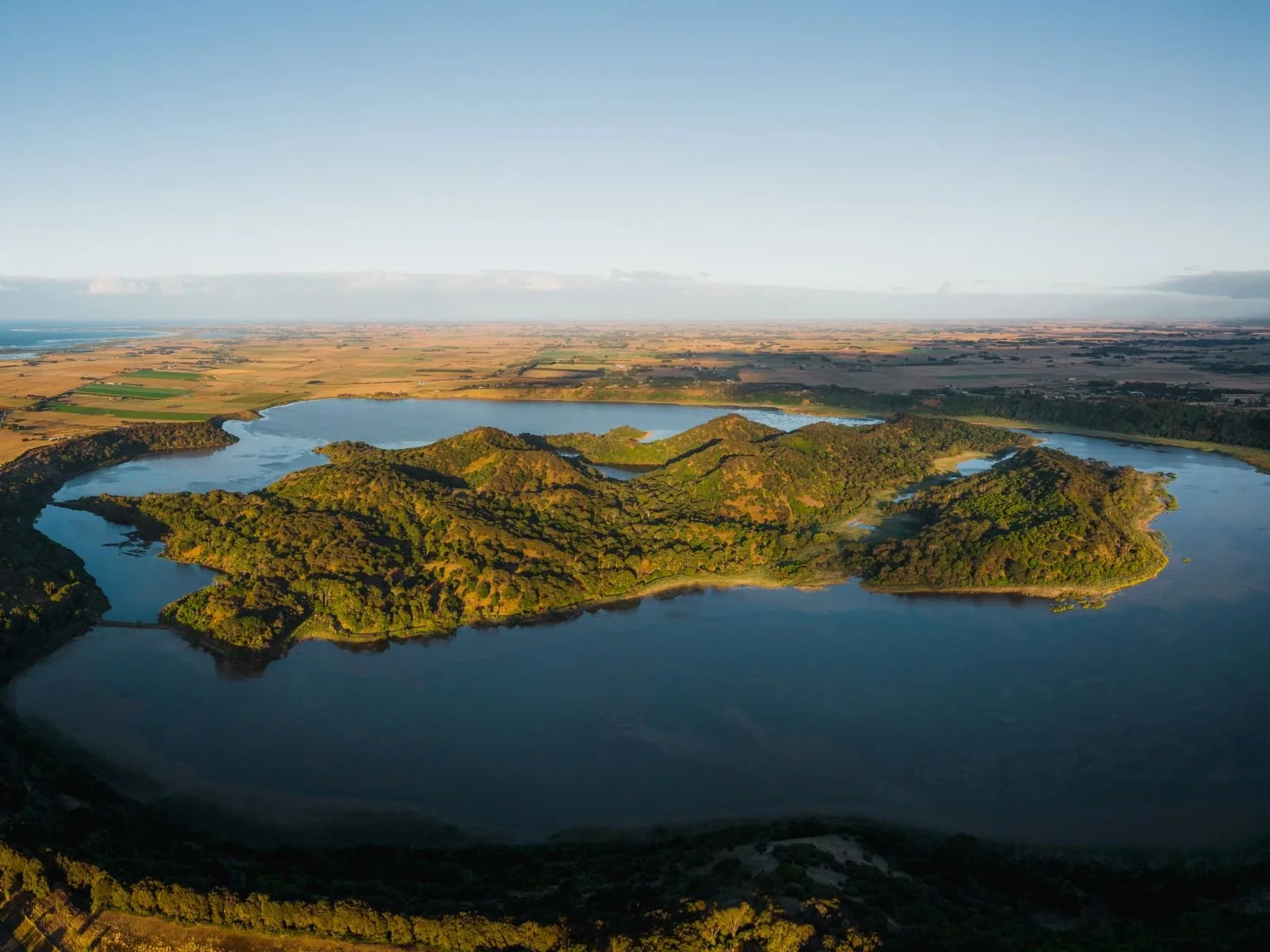
Tower Hill Wildlife Reserve, located approximately 40 minutes from Peterborough House, is nestled within the crater of an extinct volcano that last erupted around 30,000 years ago. Managed in partnership with the local Gunditjmara people, the reserve is one of the best places in Victoria to see native wildlife, including koalas, emus, kangaroos, echidnas and abundant birdlife in their natural habitat. Scenic walking trails, volcanic landscapes and rich Aboriginal cultural heritage make Tower Hill an unforgettable destination for nature lovers and history enthusiasts alike.
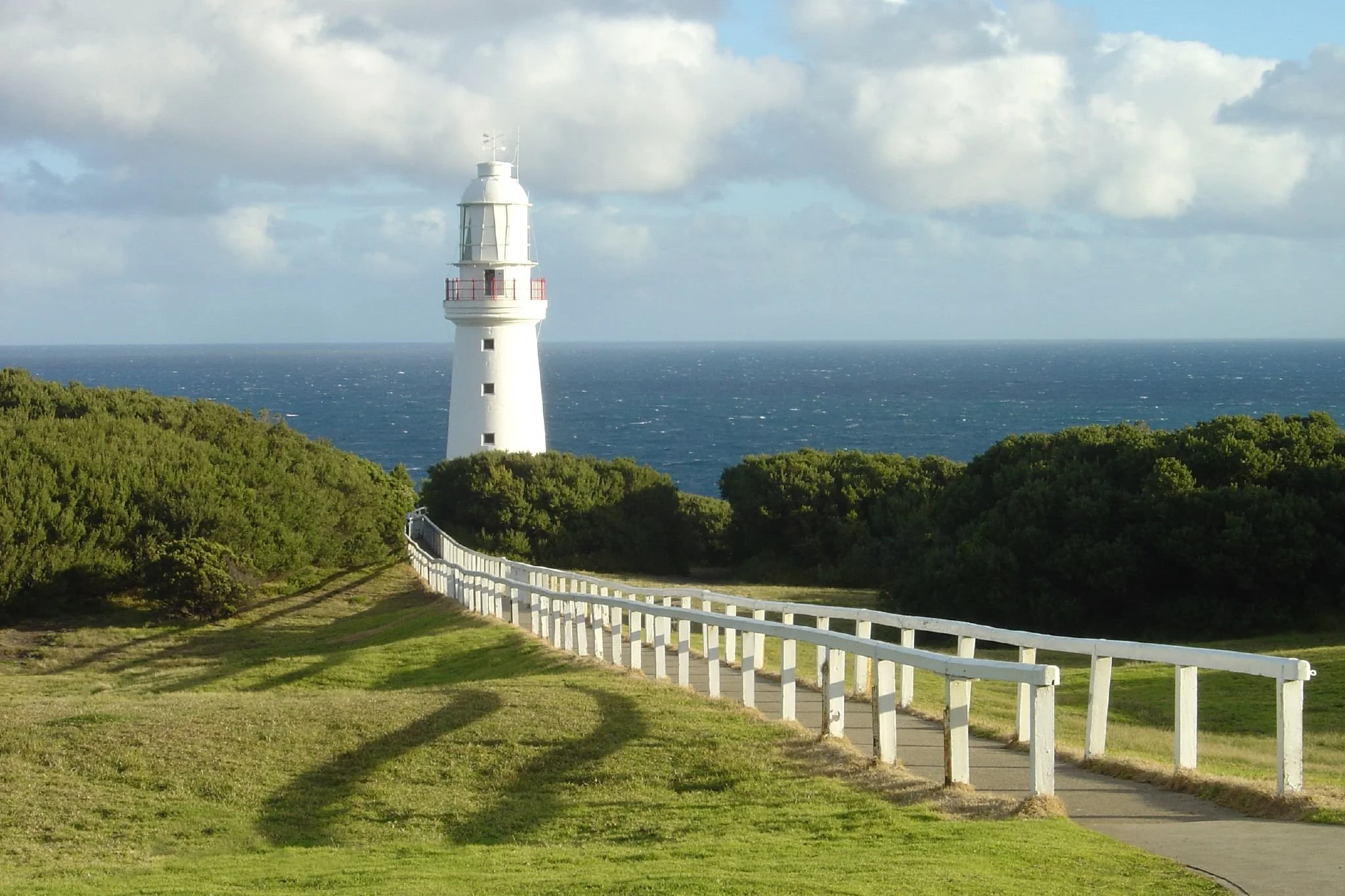
Cape Otway Lightstation, located approximately 1 hour and 30 minutes from Peterborough House, is Australia's oldest surviving mainland lighthouse. First illuminated in 1848, it was built to guide ships safely through the treacherous waters of Bass Strait after a series of devastating shipwrecks along Victoria's southwest coast.
Today, visitors can climb the historic lighthouse for spectacular panoramic views of the Southern Ocean, explore heritage buildings, discover the stories of the lighthouse keepers and learn about the region's rich maritime history. The surrounding area is also well known for its resident koalas, abundant birdlife and seasonal whale watching, making the Cape Otway Lightstation a fascinating destination that combines history, nature and breathtaking coastal scenery.
Memorial Arch
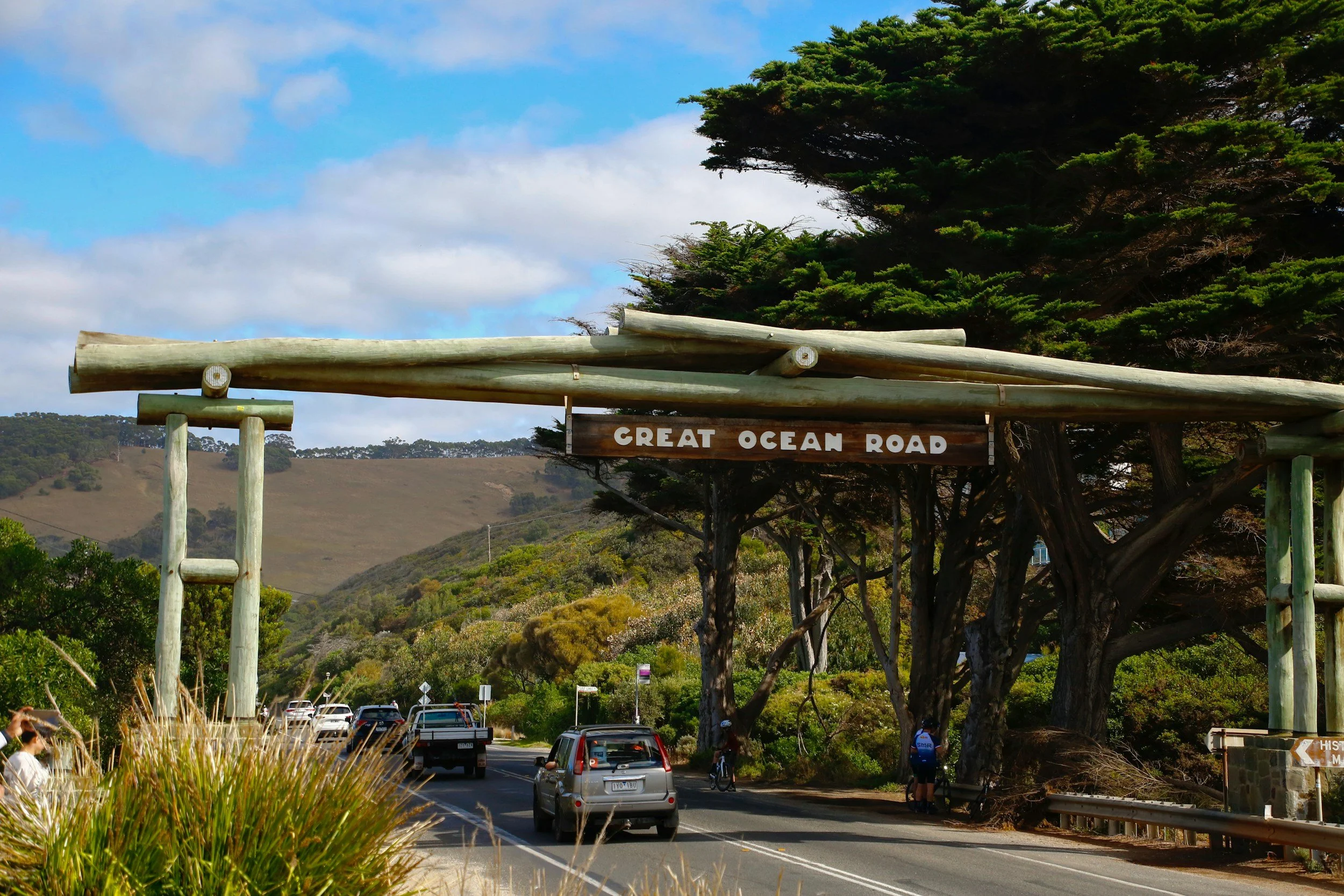
The Great Ocean Road Memorial Arch, located approximately 2 hours from Peterborough House, is one of the most photographed landmarks along the Great Ocean Road. The arch commemorates the returned servicemen who built the road between 1919 and 1932 as a memorial to those who lost their lives in the First World War. A stop at the Memorial Arch offers visitors the perfect opportunity to learn about the road's remarkable history and capture a memorable photo at the gateway to one of Australia's most iconic coastal drives.
Torquay
Lorne
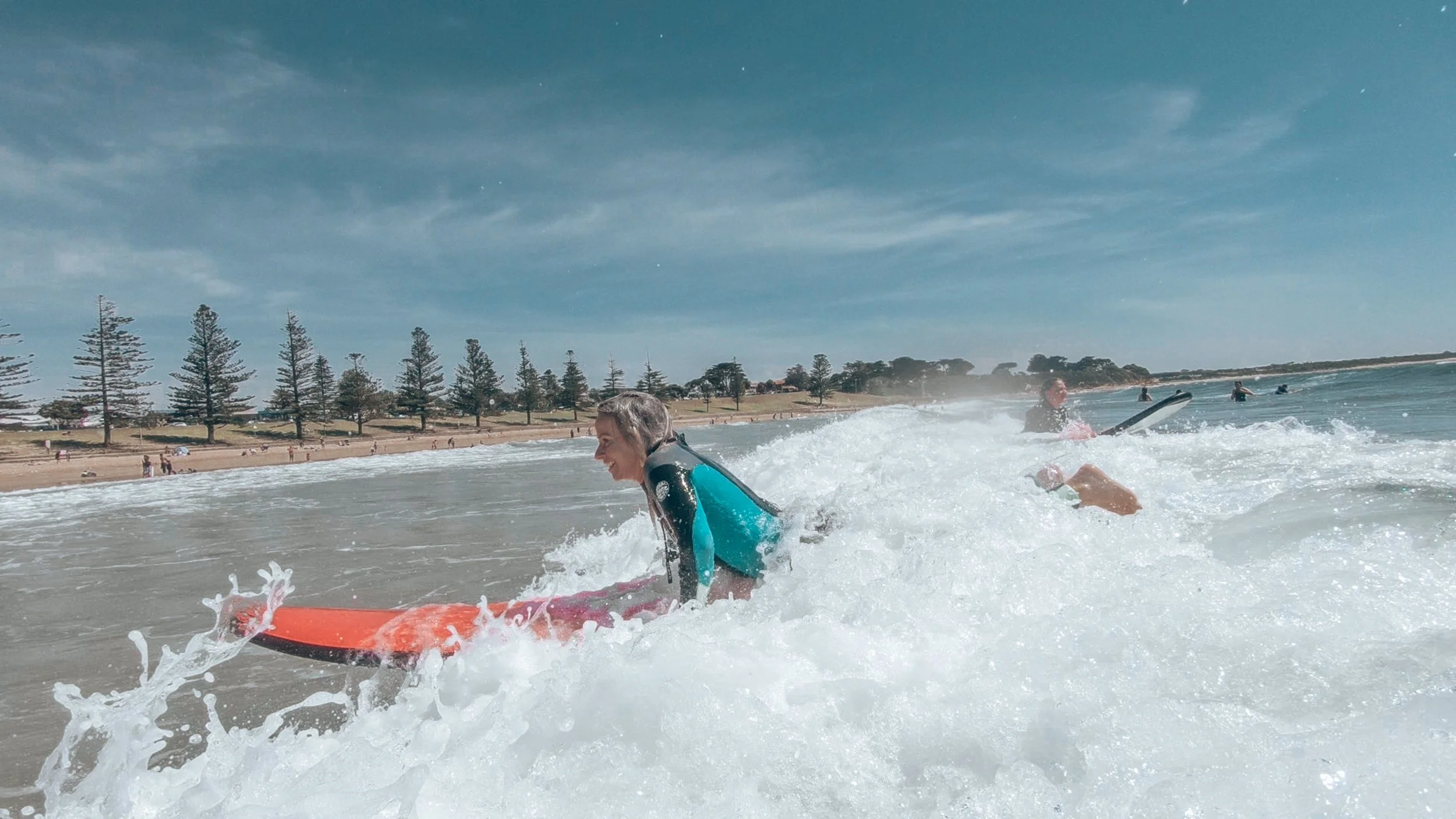
Torquay is widely regarded as the gateway to the Great Ocean Road and is approximately 2 hours from Peterborough House. Famous for its surf culture, beaches and relaxed coastal atmosphere, Torquay is a natural starting or finishing point for a journey along Victoria’s spectacular southwest coast.
The town is home to Surf City Plaza and the Australian National Surfing Museum, celebrating the history and culture of Australian surfing. Nearby beaches include Torquay Front Beach, Jan Juc and the world-famous Bells Beach, making the area popular with surfers, walkers and visitors wanting to experience the Surf Coast.
For guests travelling between Melbourne and Peterborough House, Torquay makes an excellent stop before continuing along the Great Ocean Road through Aireys Inlet, Lorne, Apollo Bay and the Otways towards the Shipwreck Coast.
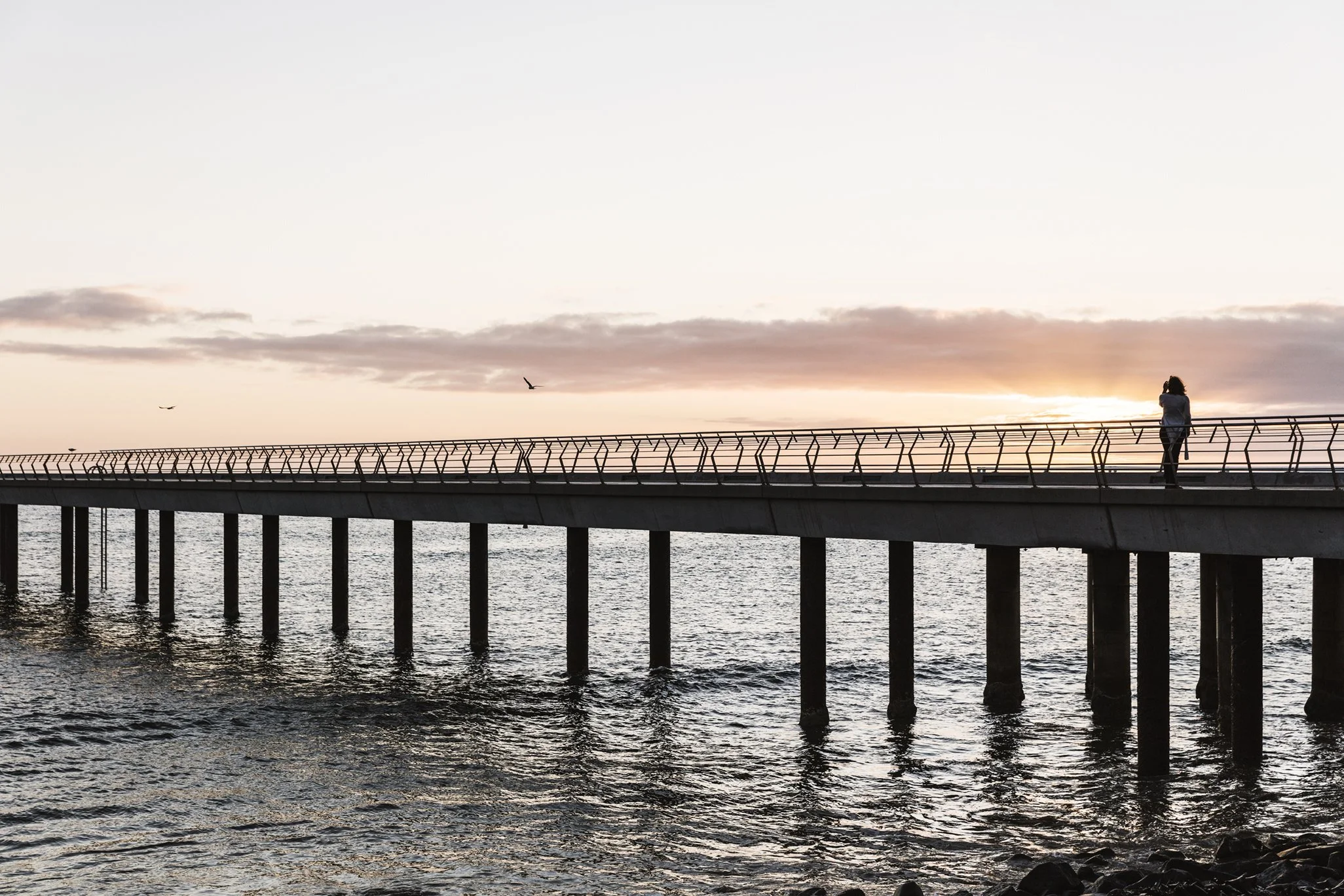
Lorne – Seaside Village on the Great Ocean Road
Lorne is one of the Great Ocean Road’s best-known seaside towns, located approximately 1 hour and 45 minutes from Peterborough House. Set between the forested Otway Ranges and the Southern Ocean, the town is a popular stop for its beaches, coastal scenery, cafés, galleries and relaxed atmosphere.
Take in the panoramic coastline from Teddy’s Lookout, stroll along the foreshore or explore the walking trails and waterfalls of the surrounding Great Otway National Park. Lorne is also a great place to stop for lunch or coffee while travelling along the Great Ocean Road.
For guests travelling between Melbourne and Peterborough House, Lorne is a natural stopping point before continuing west through Wye River, Apollo Bay and the Otways towards the 12 Apostles and Shipwreck Coast.
Apollo Bay
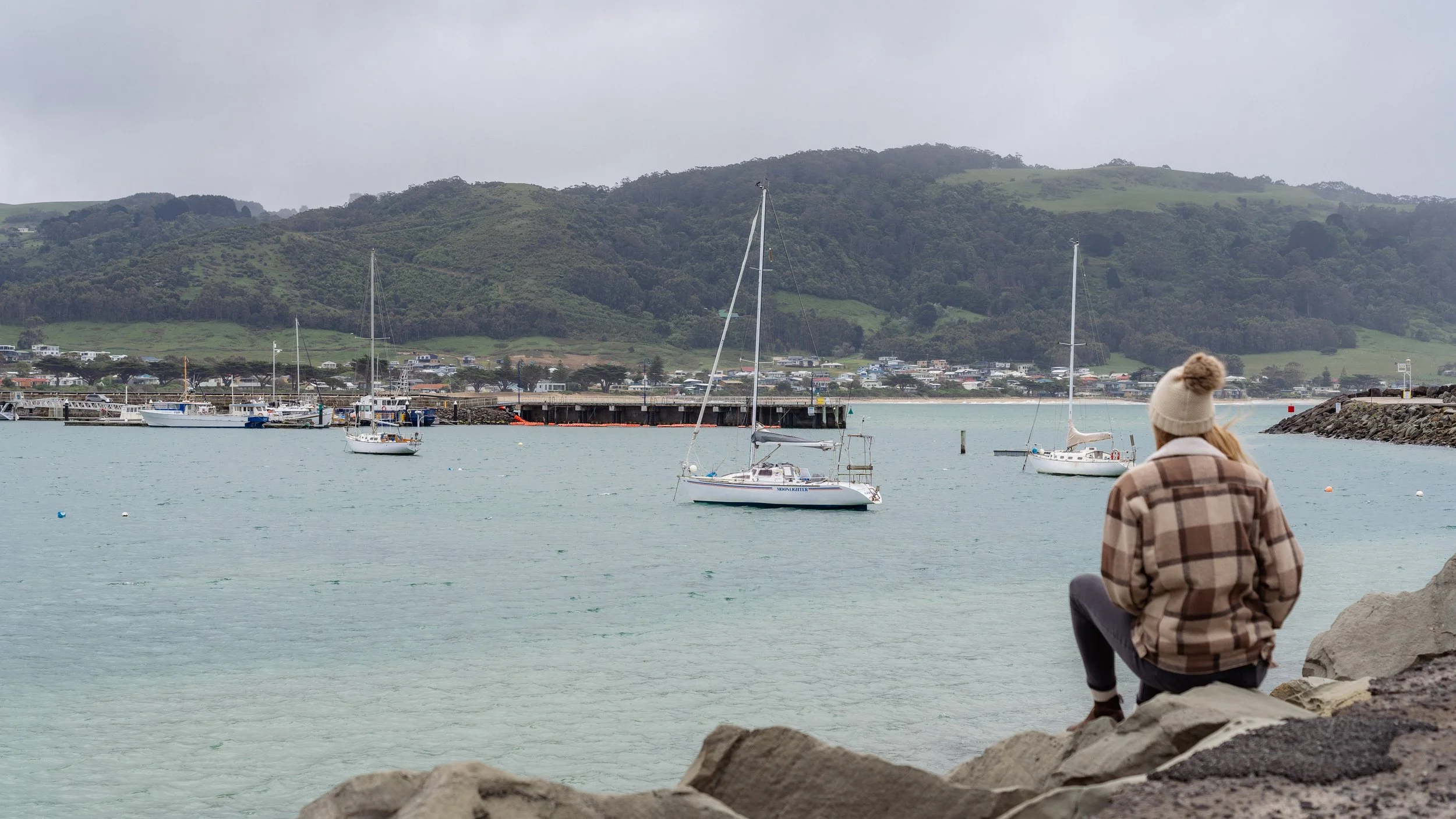
Apollo Bay – Where the Otways Meet the Ocean
Apollo Bay is a picturesque seaside town on the Great Ocean Road, located approximately 1 hour and 20 minutes from Peterborough House. Nestled between the Southern Ocean and the Great Otway National Park, it is an ideal place to stop while exploring the coast between Peterborough and the Surf Coast.
Stroll along the foreshore, enjoy the beach or stop for a meal in town before exploring the surrounding Otways. Apollo Bay is also a gateway to rainforest walks, waterfalls, Cape Otway and sections of the Great Ocean Walk, making it a popular base for exploring both the coast and hinterland.
For guests travelling between Melbourne and Peterborough House, Apollo Bay makes a natural stopping point before continuing through the Otways towards the 12 Apostles and Shipwreck Coast.
Californian Redwoods
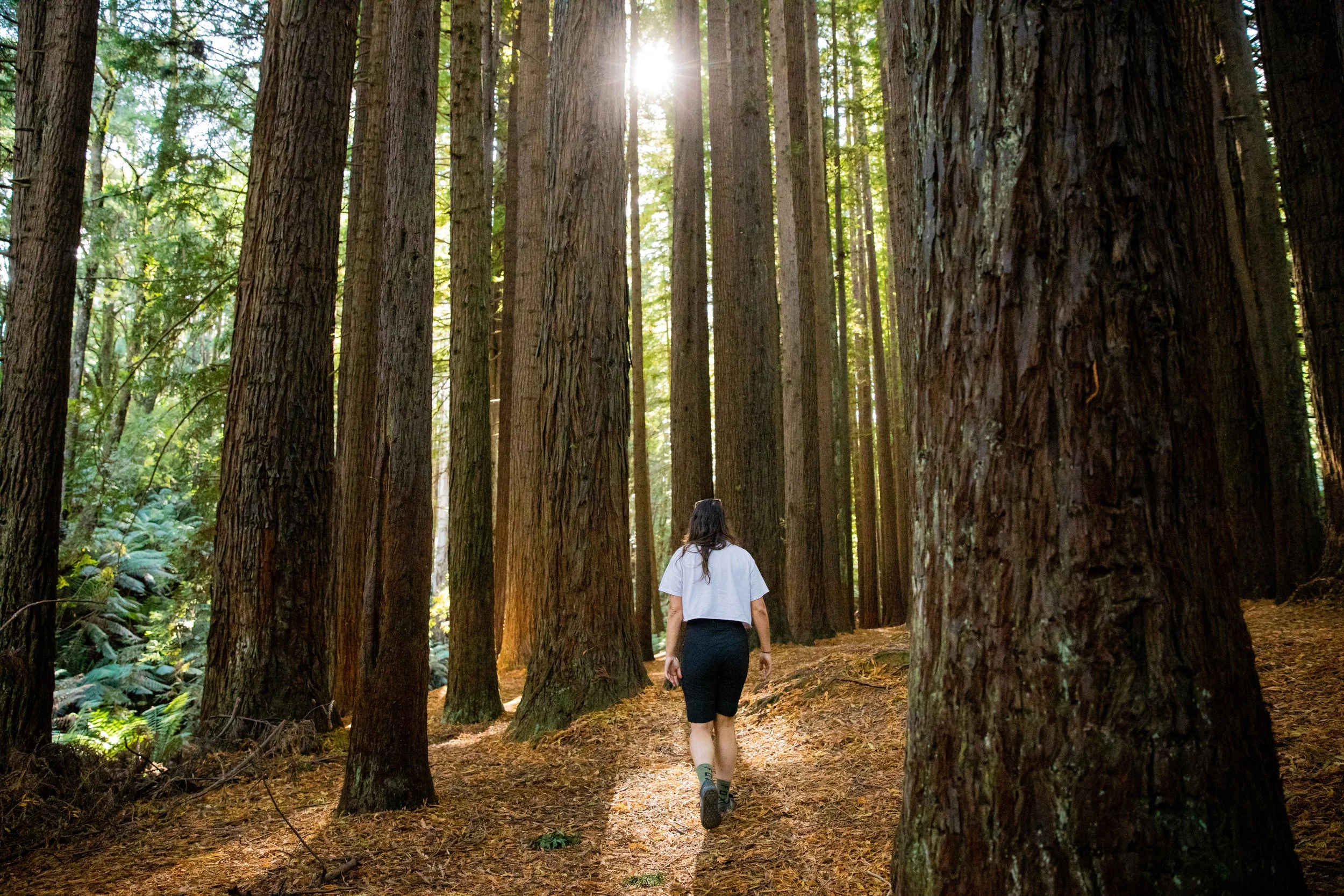
California Redwoods – A Hidden Gem in the Otways
Tucked away in the Great Otway National Park near Beech Forest, the California Redwoods offer a striking change of scenery from the rugged coastline of the Great Ocean Road. The towering redwoods were planted in the 1930s and have grown into an impressive forest beside the Aire River.
Visitors can wander beneath the enormous trees, enjoy the peaceful forest setting and explore the surrounding Otways. The contrast between the redwood forest, lush native vegetation and nearby waterfalls makes this a worthwhile detour for anyone wanting to experience more than just the Great Ocean Road’s famous coastal scenery.
The California Redwoods are approximately 1 hour and 20 minutes from Peterborough House and can be combined with other Otways attractions such as Hopetoun Falls and Otway Fly Treetop Adventures for an excellent day trip.
Exploring the Shipwreck Coast?
Staying at Peterborough House gives you easy access to some of the most spectacular attractions on the western Great Ocean Road. Discover the 12 Apostles, Loch Ard Gorge, Gibson Steps, London Bridge, The Grotto, Bay of Islands and more in our local guide.